What is IoT (Internet of Things)?
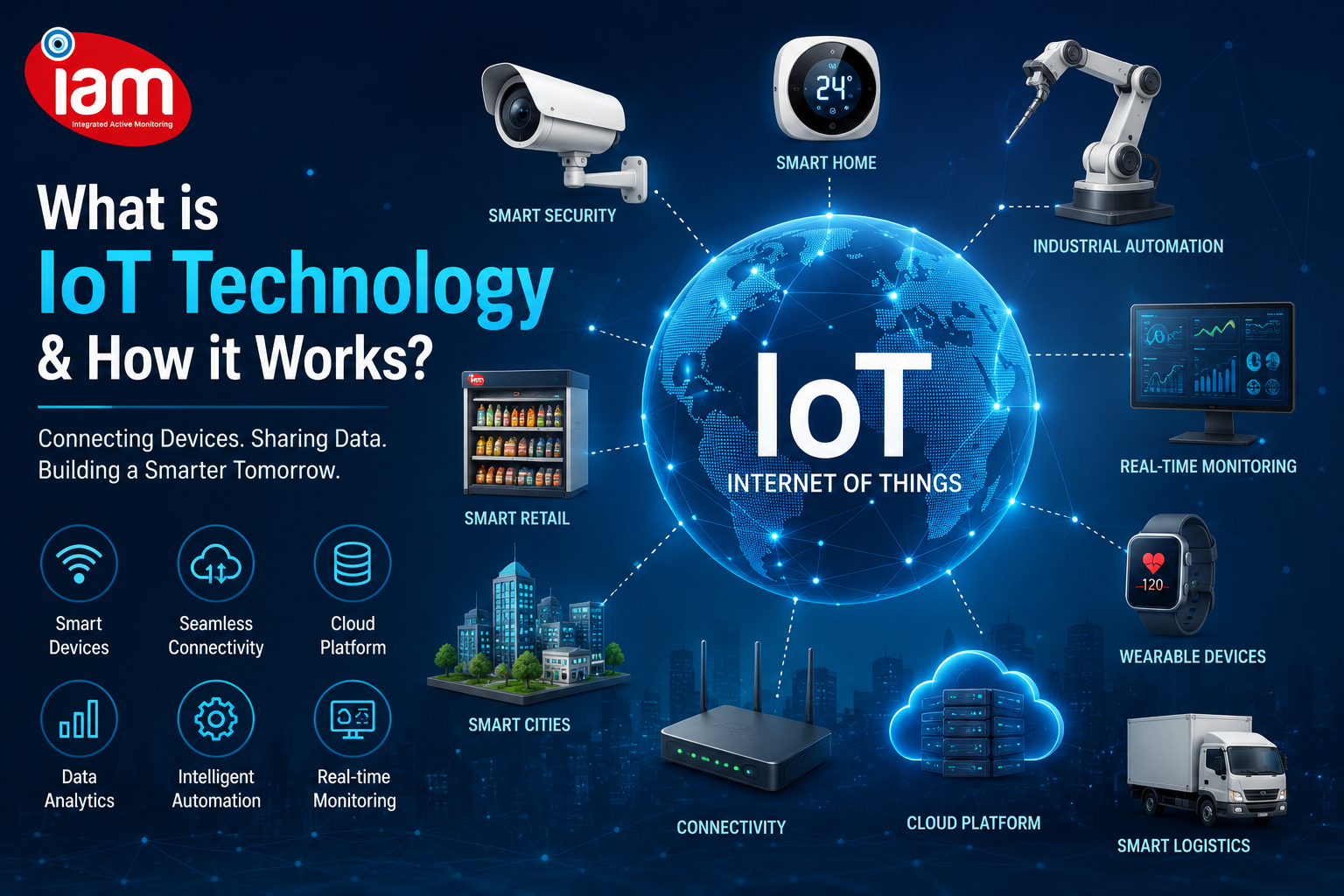
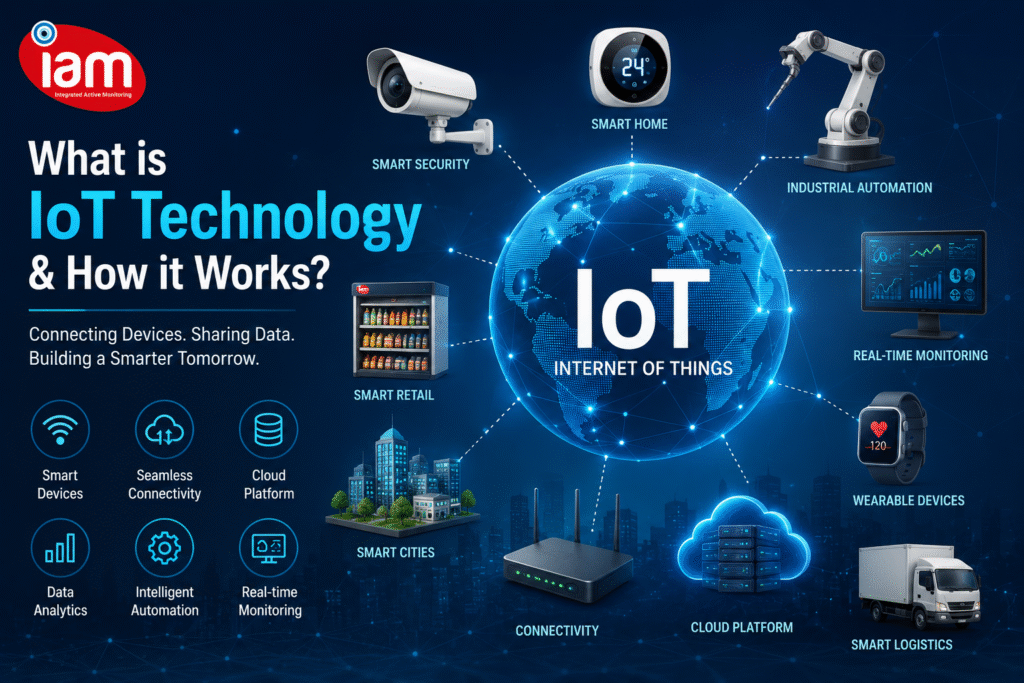
The Internet of Things (IoT) refers to a network of physical devices connected to the internet that collect, exchange, and analyze data without requiring constant human intervention. These devices use sensors, software, cloud computing, and communication technologies to monitor conditions, automate processes, and improve decision-making in real time.
Today, IoT technology has become an integral part of modern life. From smart homes and wearable fitness devices to industrial automation, healthcare, retail, and smart cities, IoT is transforming the way people live and businesses operate. Organizations across industries rely on IoT solutions to increase efficiency, reduce operational costs, improve safety, and gain valuable insights through connected devices.
The term “Internet of Things“ was first introduced in 1999 by Kevin Ashton, Executive Director of the Auto-ID Center, while working on RFID-based supply chain solutions for Procter & Gamble. Since then, rapid advances in wireless communication, cloud computing, artificial intelligence (AI), and sensor technology have accelerated IoT adoption worldwide.
How Does IoT Technology Work?
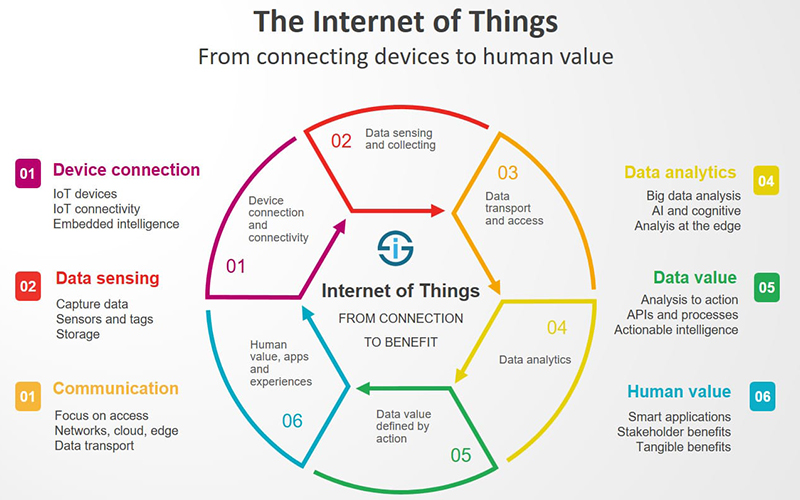
An IoT system consists of several interconnected components that work together to collect, process, and analyze data.
1) Smart Sensors
IoT devices are equipped with sensors that measure physical conditions such as temperature, humidity, motion, pressure, location, energy consumption, or air quality.
2) Connectivity
The collected data is transmitted securely through communication technologies such as Wi-Fi, Ethernet, Bluetooth, Zigbee, LoRaWAN, NB-IoT, or 4G/5G networks.
3) Cloud Platform
The data is processed and stored on cloud-based platforms where businesses can monitor device status, analyze trends, and generate reports.
4) Data Analytics
Advanced analytics, Artificial Intelligence (AI), and Machine Learning (ML) transform raw sensor data into actionable insights that help organizations make faster and smarter decisions.
5) User Dashboard
Finally, users access the processed information through intuitive dashboards, mobile applications, or web portals, enabling remote monitoring and management from virtually anywhere.
Key Benefits of IoT Technology
1) Real-Time Monitoring
IoT systems continuously collect live data, allowing organizations to detect issues immediately and respond before they become costly problems.
2) Improved Operational Efficiency
Automation reduces manual processes, increases productivity, and minimizes human error across business operations.
3) Predictive Maintenance
IoT devices monitor equipment performance and identify early warning signs of potential failures, reducing downtime and maintenance costs.
4) Better Decision-Making
Real-time data combined with AI-powered analytics enables organizations to make informed, data-driven decisions.
5) Cost Savings
IoT helps reduce operational expenses by improving energy efficiency, optimizing resource utilization, and automating repetitive tasks.
Applications of IoT Across Industries
IoT technology is transforming almost every industry.
1) Smart Buildings
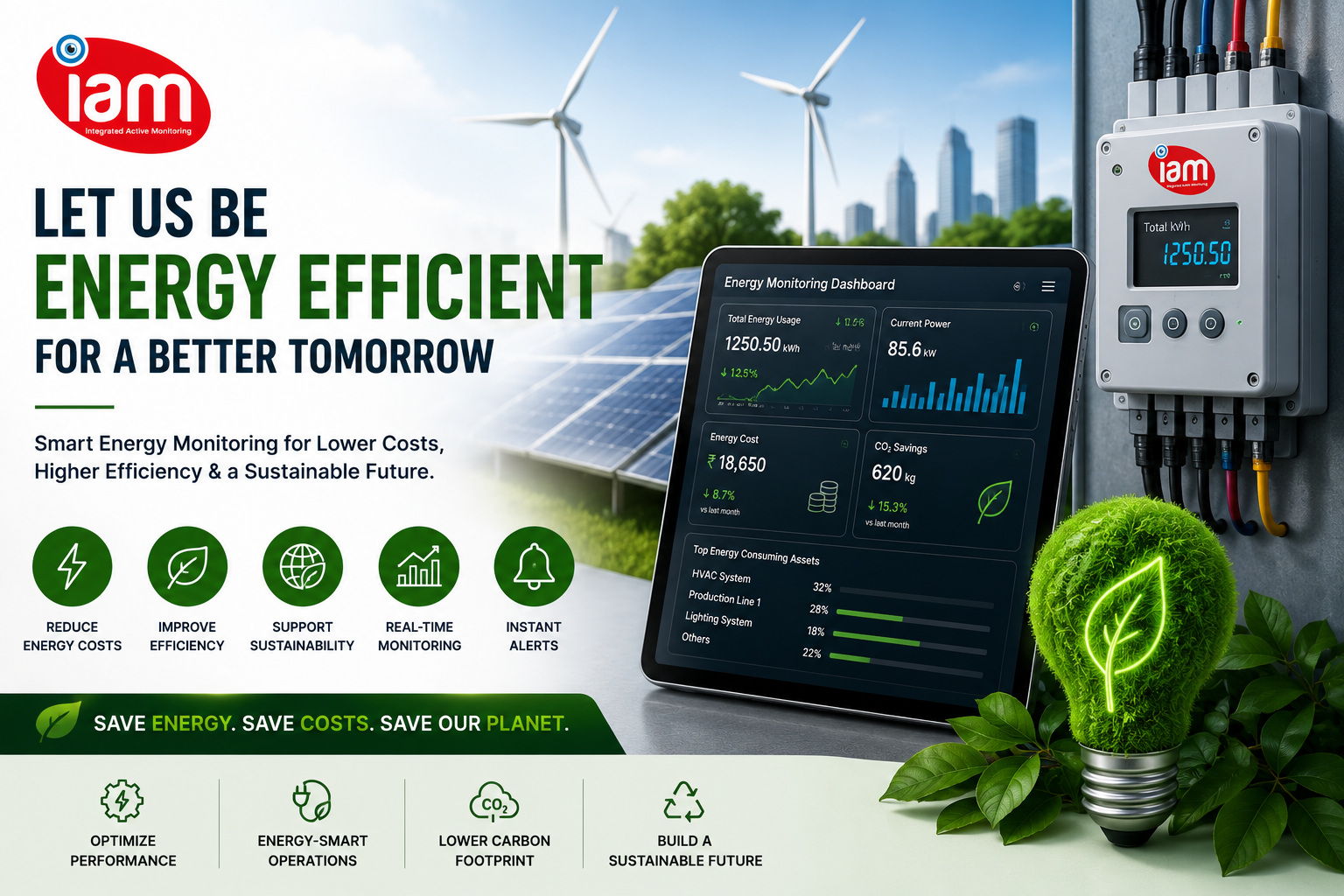
Monitor energy consumption, occupancy, lighting, and HVAC systems.
2) Manufacturing
Enable predictive maintenance, machine monitoring, and production optimization.
3) Retail
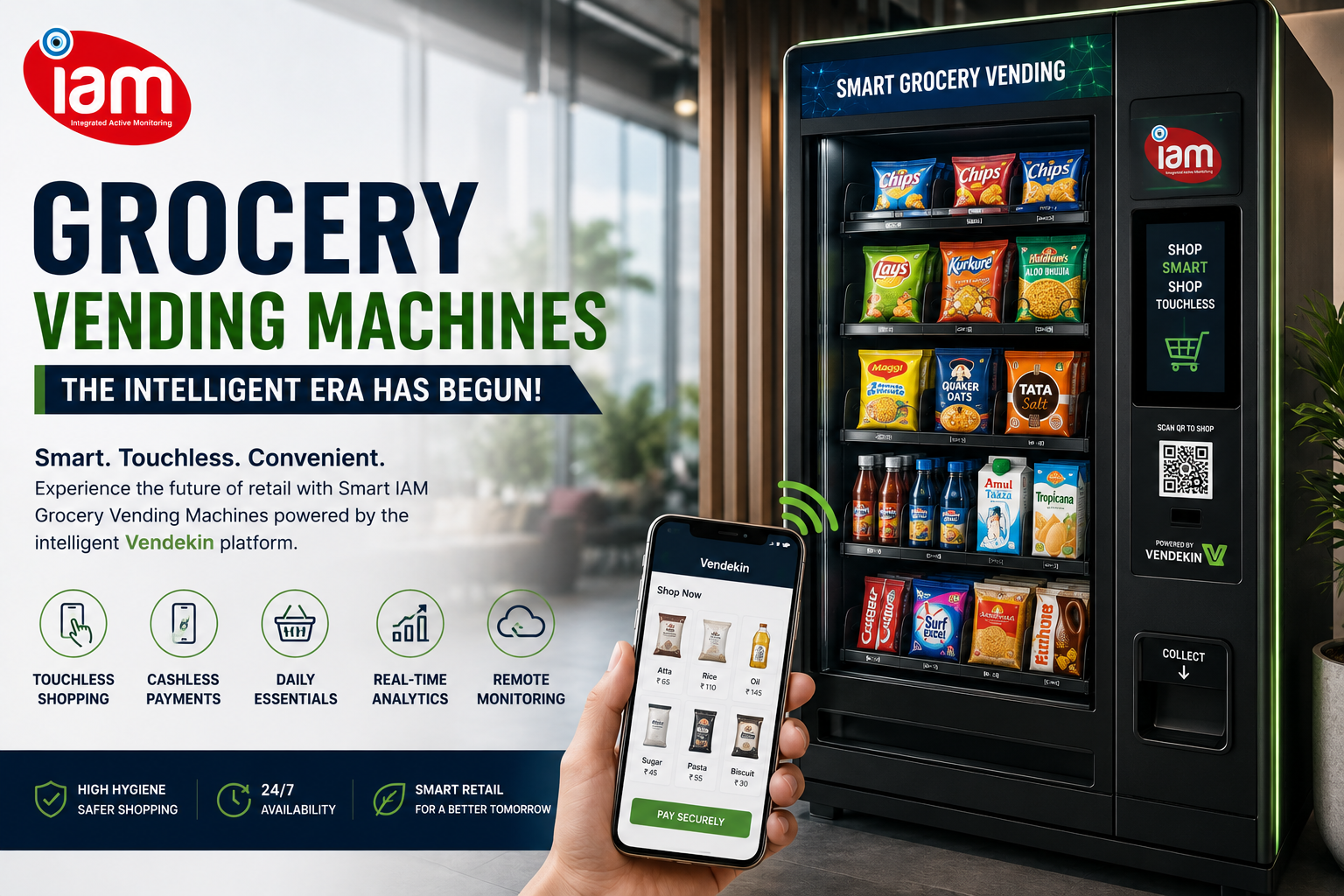
Support Electronic Shelf Labels (ESLs), smart vending machines, inventory tracking, and customer analytics.
4) Healthcare
Monitor patients, medical equipment, pharmaceuticals, and environmental conditions.
5) Warehouses and Logistics
Track inventory, monitor environmental conditions, and improve supply chain visibility.
6) Agriculture
Measure soil moisture, irrigation systems, weather conditions, and crop health.
7) Smart Cities
Manage traffic, parking, street lighting, waste collection, and environmental monitoring.
Smart IAM IoT Solutions
Smart IAM leverages IoT technology to deliver intelligent solutions for businesses across multiple industries. Our IoT-enabled platforms integrate smart sensors, cloud connectivity, and advanced analytics to provide real-time monitoring, automation, and actionable insights.
Our IoT solutions support:
- Environmental Monitoring
- Energy Monitoring
- Electronic Shelf Labels (ESLs)
- Smart Grocery Vending Machines
- Active Monitoring
- Security Surveillance
- Asset Monitoring
- Industrial Automation
By combining IoT with AI-powered analytics, Smart IAM helps organizations improve operational efficiency, reduce costs, enhance security, and accelerate digital transformation.
A simple way to understand IOT in more detail.