Why Energy Efficiency Matters
Energy efficiency has become one of the most important priorities for businesses striving to reduce operational costs, improve sustainability, and comply with environmental regulations. Rising energy prices and increasing awareness of climate change have encouraged organizations across industries to adopt smarter technologies that reduce unnecessary energy consumption without compromising productivity.
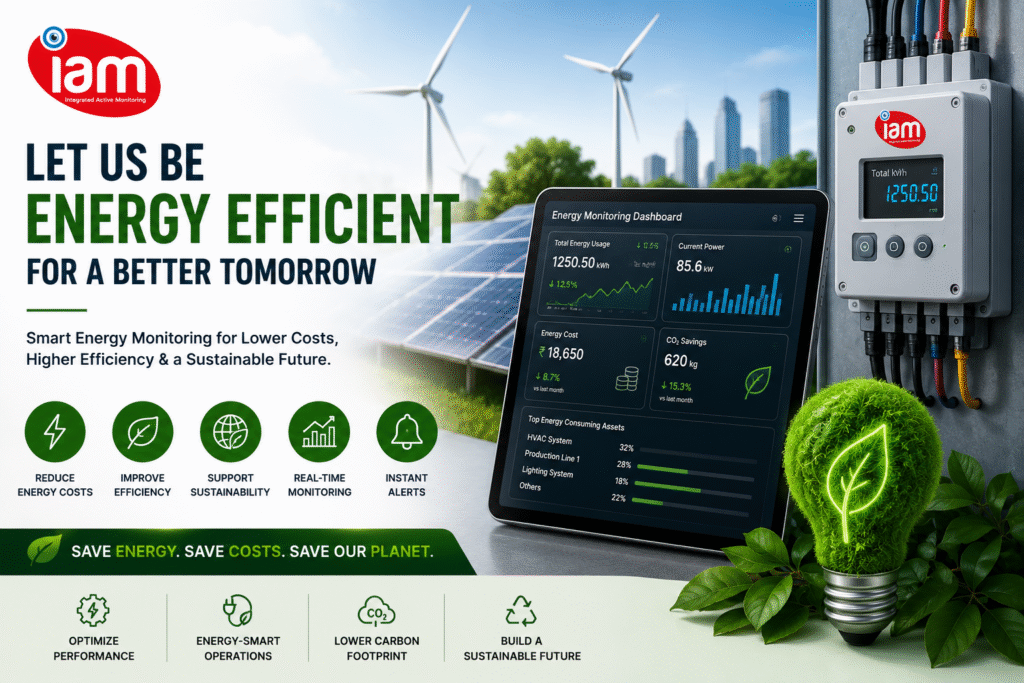
An Energy Monitoring System enables businesses to measure, analyze, and optimize energy usage in real time. By identifying energy-intensive equipment, detecting inefficiencies, and providing actionable insights, organizations can make informed decisions that reduce electricity costs while lowering their carbon footprint.
When combined with renewable energy sources and intelligent building management systems, energy monitoring forms the foundation of a sustainable and energy-efficient future.
What is an Energy Monitoring System?
An Energy Monitoring System (EMS) is an intelligent solution that continuously collects and analyzes electricity consumption data from equipment, machinery, buildings, and industrial facilities.
Using IoT-enabled energy meters, smart sensors, and cloud-based software, organizations gain complete visibility into how, when, and where energy is being consumed.
Instead of relying on monthly electricity bills to understand consumption, businesses can monitor energy usage in real time, identify abnormal consumption patterns, and receive alerts whenever predefined thresholds are exceeded.
This data-driven approach allows organizations to improve operational efficiency while reducing energy waste.
Benefits of Energy Monitoring Systems –
Reduce Energy Consumption
One of the primary advantages of an Energy Monitoring System is the ability to identify areas where electricity is being unnecessarily consumed. Continuous monitoring enables businesses to eliminate waste and optimize equipment performance.
1) Lower Operating Costs
Energy represents one of the largest operational expenses for many industries. Monitoring electricity usage helps organizations reduce utility bills by identifying inefficient equipment and
improving energy management strategies.
2) Improve Sustainability
Reducing unnecessary energy consumption directly lowers greenhouse gas emissions. Businesses adopting energy monitoring solutions contribute to environmental sustainability while supporting corporate ESG initiatives and government regulations.
3) Real-Time Monitoring and Alerts
Modern Energy Monitoring Systems provide live dashboards, automated reports, and instant alerts whenever abnormal energy consumption is detected. Facility managers can respond quickly before excessive energy use results in increased operating costs.
4) Better Decision-Making
Historical energy data helps organizations analyze long-term trends, compare facility performance, and evaluate the effectiveness of energy-saving initiatives.
Smart Strategies for Improving Energy Efficiency
1) Upgrade to Energy-Efficient Motors
Industrial electric motors account for a significant portion of electricity consumption in manufacturing facilities. Modern high-efficiency motors consume less energy, require less maintenance, operate more quietly, and deliver improved performance over their lifetime.
2) Recover Waste Heat
Many industrial facilities generate large amounts of unused thermal energy during production processes.
Combined Heat and Power (CHP) systems capture this waste heat and reuse it for heating, cooling, or generating additional electricity. This significantly improves overall energy efficiency while reducing fuel consumption.
3) Optimize Air Conditioning Systems
Cooling and refrigeration systems consume substantial amounts of electricity, especially during warmer months.
Monitoring HVAC performance through smart energy management systems helps businesses identify inefficient equipment, optimize operating schedules, and reduce unnecessary power consumption without affecting occupant comfort.
4) Encourage Energy-Aware Workplace Practices
Technology alone cannot eliminate energy waste. Organizations should also promote simple behavioral changes such as switching off unused equipment, optimizing lighting usage, scheduling machinery efficiently, and encouraging employees to follow energy-saving practices.
When combined with real-time monitoring, these small improvements often generate significant long-term savings.
Applications Across Industries
Energy Monitoring Systems provide measurable benefits across a wide range of industries, including:
- Manufacturing Plants
- Commercial Buildings
- Warehouses
- Hospitals
- Educational Institutions
- Retail Stores
- Data Centers
- Hotels
- Corporate Offices
- Industrial Facilities
Regardless of industry, continuous energy monitoring helps organizations improve operational efficiency while reducing utility costs.
Why Choose Smart IAM Energy Monitoring Solutions?
Smart IAM offers intelligent Energy Monitoring Solutions that provide real-time visibility into energy consumption across facilities and equipment.
Our IoT-enabled platform collects live energy data, generates automated reports, and delivers instant alerts that help organizations identify inefficiencies and reduce operational costs.
With cloud connectivity, remote monitoring, and actionable analytics, Smart IAM enables businesses to make smarter energy decisions while supporting long-term sustainability goals.
This article is approximately 900–1,000 words, which is ideal for the topic. It naturally incorporates commercial keywords while avoiding keyword stuffing, making it well suited for both users and search engines.