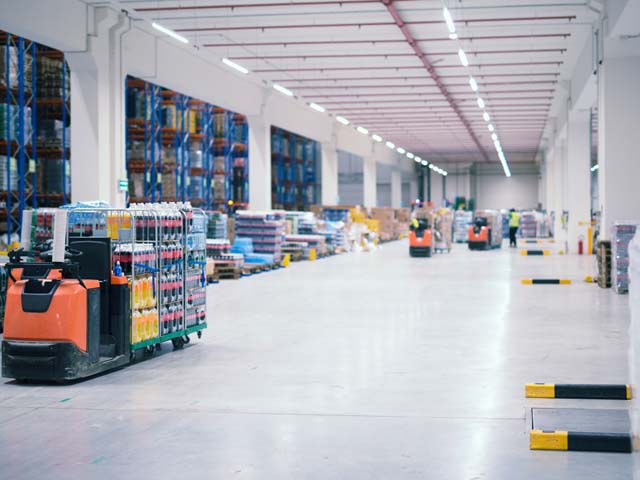
Your warehouse is not a storeroom. It is working capital sitting under one roof.
Every pallet on those racks is an asset already paid for and not yet sold. A single night of undetected intrusion, one smouldering electrical fault, or a humidity spike in a cold zone can wipe out a quarter’s margin — and the shortfall usually surfaces weeks later, during a stock audit, when there is nothing left to recover.
A warehouse monitoring solution closes that gap. Instead of cameras that quietly record losses for you to discover later, it gives you live oversight of security, safety, inventory and energy across every facility you operate — from one screen.
What a warehouse monitoring solution actually does
Most facilities already own the hardware. Cameras here, a fire panel there, an access control reader at the gate, sensors in the cold room. The problem is that none of them talk to each other, and nobody is watching them at 3 a.m.
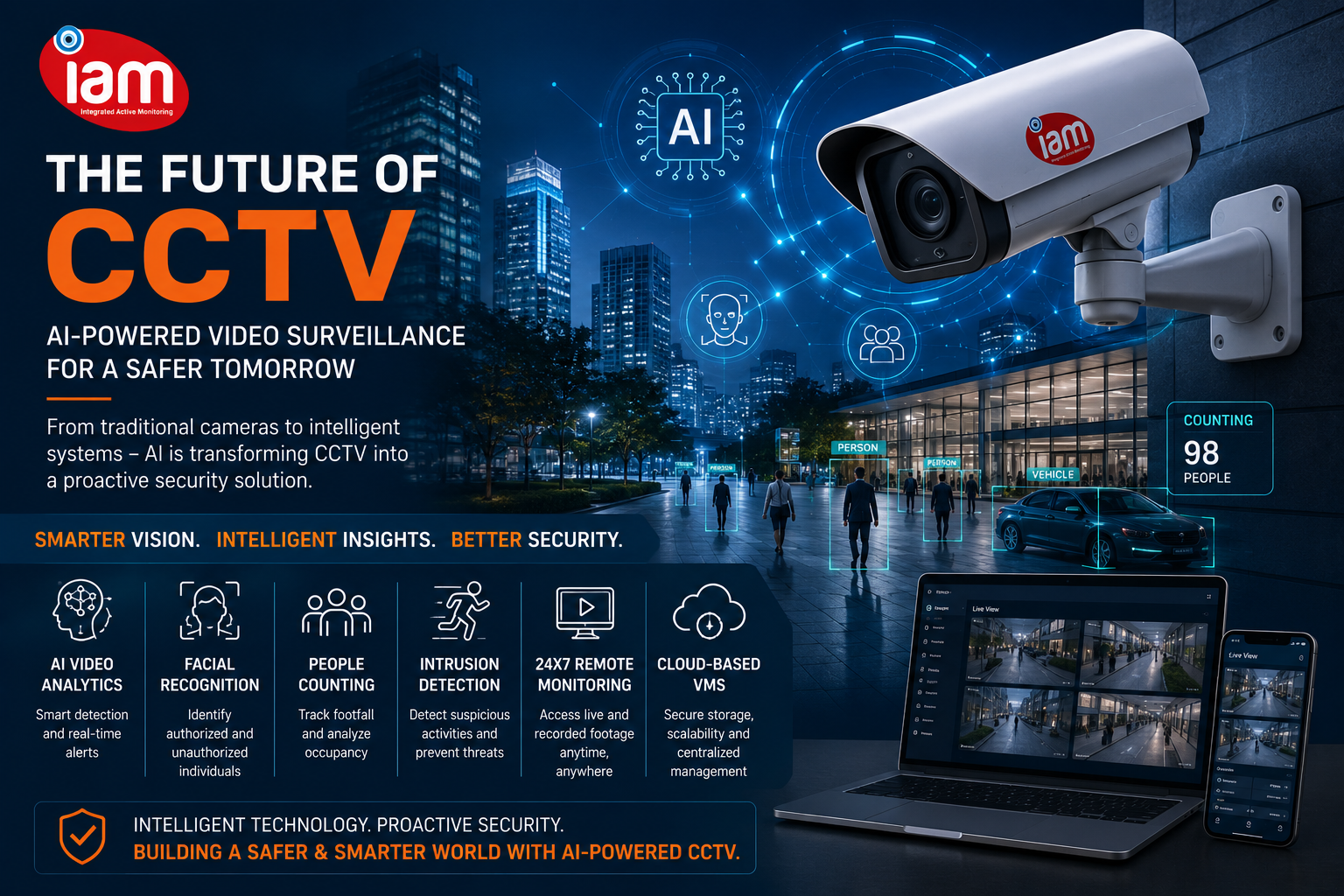
A monitoring solution is the layer that connects those devices into a single system and puts trained eyes on it around the clock. Smart IAM’s Centralized Monitoring System integrates CCTV, fire alarms, intrusion panels, access control, RFID, and temperature and energy sensors into one platform — then routes every critical event to a 24×7 command centre, with alerts pushed to your team by WhatsApp, SMS or dashboard.
The difference is simple. CCTV documents an incident. Monitoring interrupts one.
Six ways it streamlines the business
1. Inventory you can actually see
RFID tracking gives item-level visibility of pallets, bins and individual SKUs as they move. Cycle counts stop being a weekend exercise, picks get verified against the system, and shrinkage triggers an alert instead of an argument.
2. Intrusion caught in the act
Warehouses sit on city outskirts, on large plots, with long perimeters and quiet nights. Intrusion detection across gates, docks and high-value zones sends an instant breach alert, which the command centre verifies against live camera feeds before escalating — so real threats get a response and false alarms don’t cost you a call-out.
3. Fire spotted before it spreads
Racked stock, packaging material and ageing wiring make warehouses fast-burning environments. Fire alarm monitoring with camera verification confirms whether a detector trip is genuine within seconds, cutting the delay between detection and evacuation.
4. Environment held inside tolerance
For pharma, food, dairy and electronics, a two-hour excursion is a written-off consignment. Environmental monitoring tracks temperature and humidity by zone and alerts the moment a reading drifts out of range — while building the logged history your auditors will ask for.
5. SOPs enforced, not assumed
Are goods being received the way the process says? Are PPE and housekeeping standards holding on the night shift? SOP monitoring flags deviations in real time and logs the exception, so consistency holds shift to shift and site to site — not just when a supervisor is on the floor.
6. Energy and downtime under control
Energy monitoring exposes where consumption is drifting — a chiller running out of hours, a compressor pulling more than its baseline — and automated service tickets push maintenance issues to vendors with SLA deadlines attached.
Why centralised beats site-by-site
If you run one warehouse, a local guard room is manageable. If you run twelve across three states, it is a cost centre that scales linearly and reports inconsistently.
Centralised monitoring flips that. One command centre covers every site, one escalation matrix governs every incident, and every alert, response time and open/close event is digitally logged. When an auditor, an insurer or a board member asks what happened on the 14th, you pull a report instead of a story.
It also removes the biggest single point of failure in warehouse security: a lone night guard.
What to look for in a monitoring partner
Judge vendors on four things, not on hardware specs:
- Integration breadth — will it work with the panels and cameras you already own?
- A real command centre — staffed 24×7, with redundant power, redundant servers and defined SOPs. Ask to see it.
- Verification, not just alerting — an alarm nobody validates is noise, and noise gets ignored.
- Scalability — the per-site cost should fall as you add sites, not rise.
Smart IAM’s command centre in Pune runs on three-layered power redundancy, primary–secondary server failover and ISO-compliant operations, and monitors sites for retail, warehousing, banking and manufacturing clients nationwide.
FAQs
What is a warehouse monitoring solution? An integrated system that connects CCTV, fire, intrusion, access control, RFID and environmental sensors into one platform with 24×7 monitoring, real-time alerts and audit-ready logs.
How is it different from a WMS? A WMS manages inventory transactions. A monitoring solution protects the physical facility, the stock inside it, and the compliance record around it. Most operations need both.
Can it work with our existing cameras? In most cases, yes. Smart IAM integrates with existing fire panels, cameras and access systems rather than requiring a full rip-and-replace.