Smart Retail Case Study: How Style Union Optimised 100+ Stores
Running one store on instinct is difficult. Running a hundred is impossible.
At scale, the problems multiply in ways that single-location retailers never face. You can’t see what’s happening in a store 800km away. Energy bills arrive as one aggregate number across dozens of sites. Head office decides layouts and promotions for stores it has never stood inside. And the data that would answer these questions — how many people came in, how many bought, how long they waited, what the air conditioning cost — sits in separate systems that never speak to each other, if it’s captured at all.
Style Union, a fashion retail brand with over 100 stores across India, faced exactly this. Here’s what
changed when they stopped guessing.
The objectives
Style Union partnered with Integrated Active Monitoring (IAM) with a clear brief: improve operational efficiency, cut energy consumption, and lift the customer experience — across every location, from a single view.
Specifically, they needed to analyse hourly data to inform business decisions rather than relying on monthly summaries, control HVAC systems efficiently to reduce energy waste, manage consumption across all locations centrally, track sales performance accurately, and schedule in-store promotional content without dispatching someone to each store.
The common thread: every objective was blocked by the same missing ingredient — reliable, real-time, store-level data.
What was deployed
Rather than a single product, Style Union implemented an integrated stack where each system fed the others.
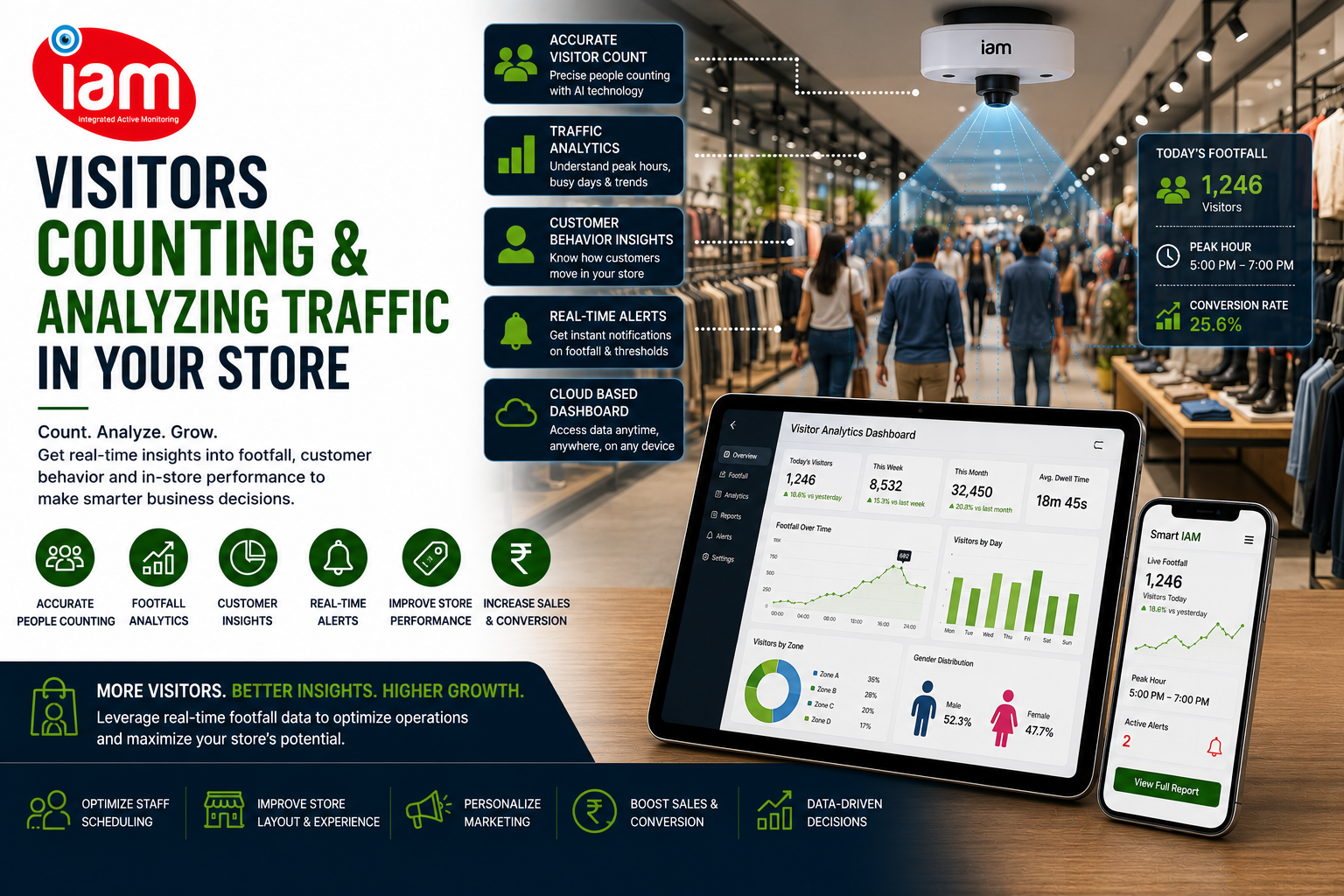
People flow analytics delivered real-time customer counting with staff exclusion — a detail that matters more than it sounds, because staff walking in and out inflate raw counts and quietly corrupt every conversion figure derived from them.
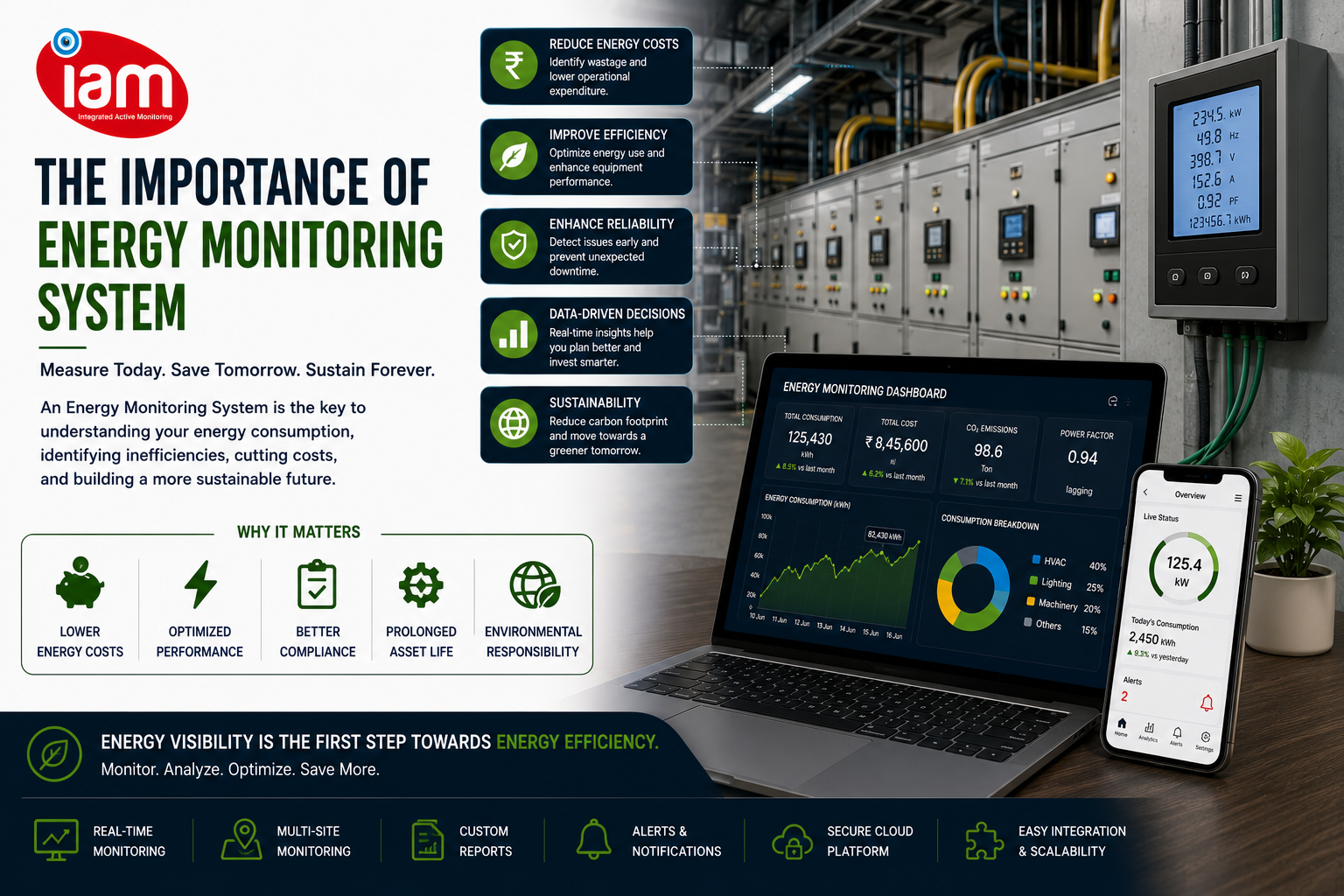
Automated HVAC control used sensor-based regulation to reduce energy waste while maintaining a comfortable in-store climate. Energy monitoring dashboards tracked consumption across the estate and surfaced where savings were available.
Sales monitoring integrated POS data with traffic data, connecting what came through the door to what actually sold. Centralised content management let head office schedule and update digital displays across all locations remotely. And queue management analytics tracked wait times in real time to guide staff deployment.
The results
Four numbers tell the story.
35% increase in counting accuracy. Better data at the door improved footfall analysis, staff scheduling, and layout decisions. Everything downstream depends on this figure being right.
15–20% boost in sales conversion. Sharper customer targeting and operational efficiency translated directly into more visitors becoming buyers — the metric that matters most in retail conversion.
Up to 20% energy savings. Smart HVAC and lighting control cut bills across the estate while improving sustainability performance — consistent with what the data on commercial energy consumption predicts when load is matched to actual occupancy rather than run on a fixed schedule.
64% reduction in queue time. Queue analytics enabled better staff allocation during peak hours, removing the single most common reason shoppers abandon a purchase at the final step.
Why the integration mattered more than any single tool
The temptation with results like these is to credit the individual products. That misreads what happened.
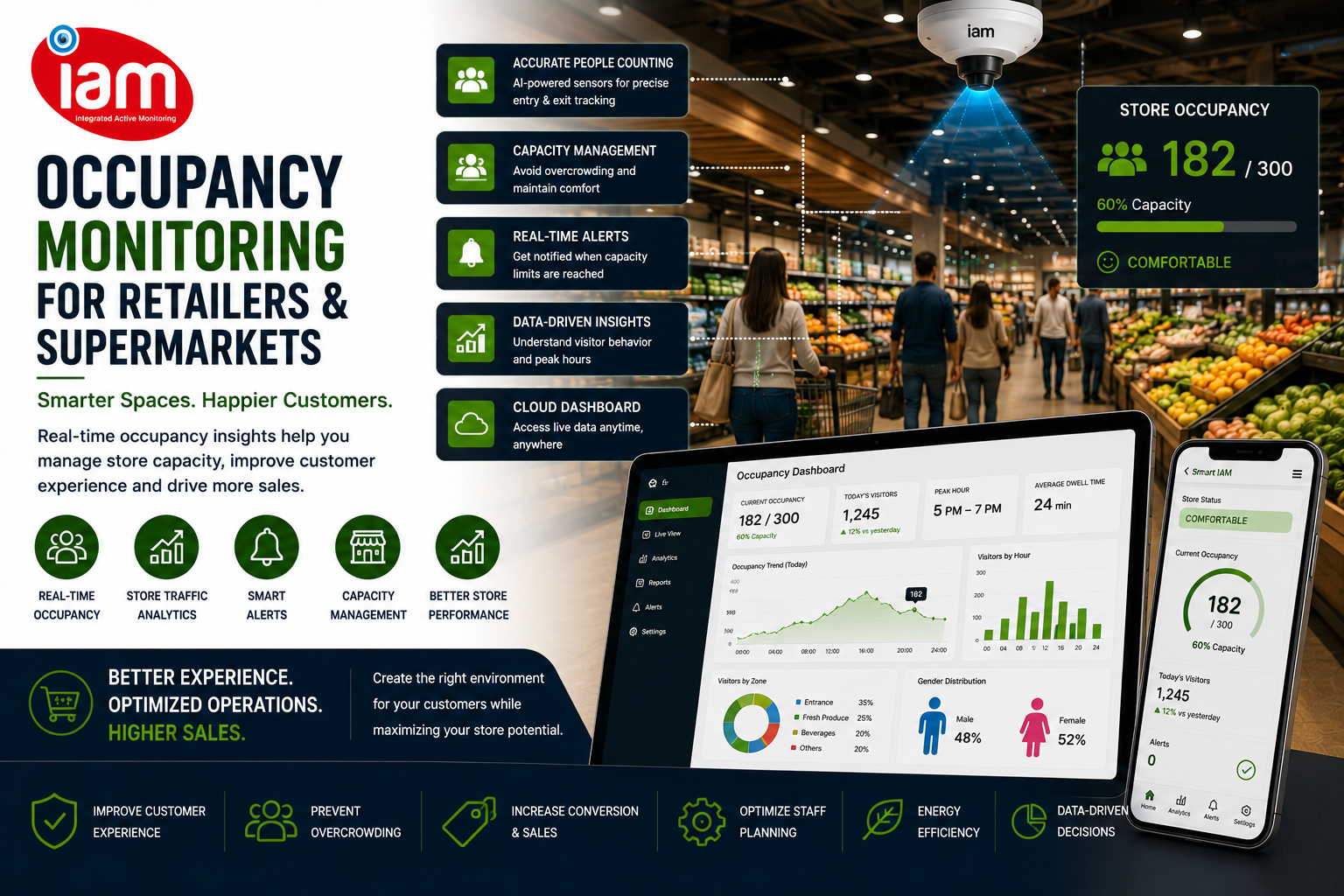
The gains compounded because the systems were connected. Accurate people counting made conversion measurement trustworthy. Trustworthy conversion data revealed when queues were costing sales. Occupancy data told the HVAC system when a store was genuinely full, so energy followed people instead of the clock. Heat mapping and dwell-time analytics explained why certain zones converted and others didn’t. Each dataset made the others more valuable.
That’s the argument for a centralized monitoring approach over a collection of point solutions. Six disconnected tools produce six dashboards nobody reconciles. Six integrated tools produce one operating picture.
Style Union’s Operations Head summarised the shift well: the solutions helped them see their stores not merely as retail spaces but as data centres — a genuinely different way to think about physical retail.
What other multi-store retailers can take from this
Three lessons generalise beyond fashion retail.
Measurement accuracy is foundational, not incremental. A 35% improvement in counting accuracy sounds like a technical detail. It isn’t — it’s the difference between decisions built on real numbers and decisions built on noise.
The biggest wins sit between departments. Energy savings came from occupancy data. Conversion gains came from queue analytics. Neither would have surfaced if the systems had stayed in their silos.
Scale amplifies everything. A 20% energy saving in one store is useful. Across 100+ stores, it’s a material line item — and the same is true of every percentage point of conversion.
For any retail operation managing multiple locations, the pattern is repeatable. The technology isn’t experimental, the returns are measurable, and the case for retail automation stops being theoretical once you can point to numbers like these.
Want results like these across your stores? Talk to Smart IAM about smart retail solutions.