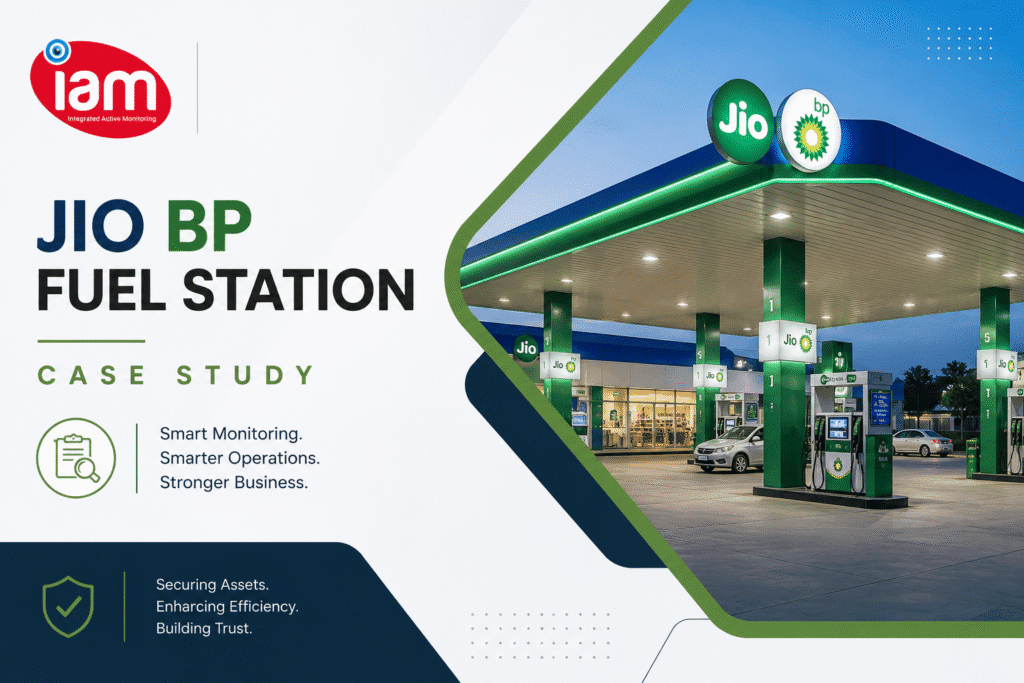
Digital Signage for Fuel Stations: The Jio BP Case Study
Every morning at 6 a.m., the price of fuel changes at every station in India. Not weekly, not fortnightly daily, on a fixed deadline, before the first customer of the day pulls in.
For a station running manual price boards, that’s a recurring scramble: someone climbs up, swaps the digits, and hopes they got it right. Multiply that across a national network and the cracks show fast. A digit transposed. A board updated an hour late. A station where yesterday’s price is still displayed at 9 a.m. Each one is a small operational failure, but collectively they cost accuracy, staff time, and customer trust at the most visible point of the entire forecourt.
Daily revision is widely acknowledged to create real operational headaches for pump operators and when the mechanism was introduced, dealers pushed back hard precisely because the infrastructure to update rates that frequently didn’t exist.
Jio BP decided to solve it properly.
The objectives
Jio BP partnered with Integrated Active Monitoring (IAM) to deploy centralised digital signage across their fuel stations, replacing manual boards with displays driven by live data.
The brief was specific: eliminate manual price update errors and delays, manage and automate price changes centrally rather than station by station, strengthen brand image and forecourt visibility with modern displays, and gain the flexibility to push marketing content instantly across the network.
Underlying all four was a single structural change moving pricing from something physically performed at each site to something managed once, centrally, and distributed automatically.
What was deployed
Dynamic price integration. The signage system was integrated directly with the station’s pricing backend to pull live rates for petrol, diesel, and CNG and display them in real time. No human transcription step, which means no transcription errors.
A centralised control dashboard. IAM’s platform let Jio BP update and schedule both pricing and promotional content from a single location, removing local dependencies entirely. One update, every station, instantly.
High-brightness weatherproof displays. Forecourt signage has to stay legible in direct sunlight and survive monsoon conditions display hardware built for outdoor conditions is a prerequisite, not a specification detail.
Scheduled media content. Beyond pricing, the same digital signage platform carried promotional videos and safety messaging on scheduled playlists.
The results
100% elimination of manual errors. No more chalkboards, no more delayed updates. Price changes became instant and accurate across the network which, on a daily 6 a.m. deadline, is the difference between a system that works and one that merely mostly works.
Improved brand perception. Modern digital displays signalled innovation and operational competence, lifting the customer’s impression of the forecourt before they’d even filled up.
Reduced staff workload. Station staff stopped spending their mornings updating rates and redirected that time to serving customers a small daily saving that compounds meaningfully across a network.
Increased promotional effectiveness. Video promotions and safety messages on the same screens drove measurably better customer engagement than static boards ever could.
As the Site Manager at a Jio BP fuel station put it: “With IAM’s dynamic signage system, updating fuel prices has become seamless and professional. It’s exactly what a modern fuel station needs.”
The principle generalises well beyond fuel
What makes this deployment interesting isn’t the hardware. It’s the architectural shift underneath it pricing stopped being a physical object that someone maintains and became data that a system distributes.
That same principle is reshaping retail more broadly. Electronic shelf labels do for a supermarket aisle exactly what dynamic signage does for a forecourt: replace manually-updated paper or plastic with centrally-controlled digital displays, so a price change is one action at a server rather than hundreds of walks down an aisle. Fuel stations happen to feel the pain most acutely because their deadline is daily and their price board is the single most visible object on the site but any business that changes prices frequently faces a version of the same problem.
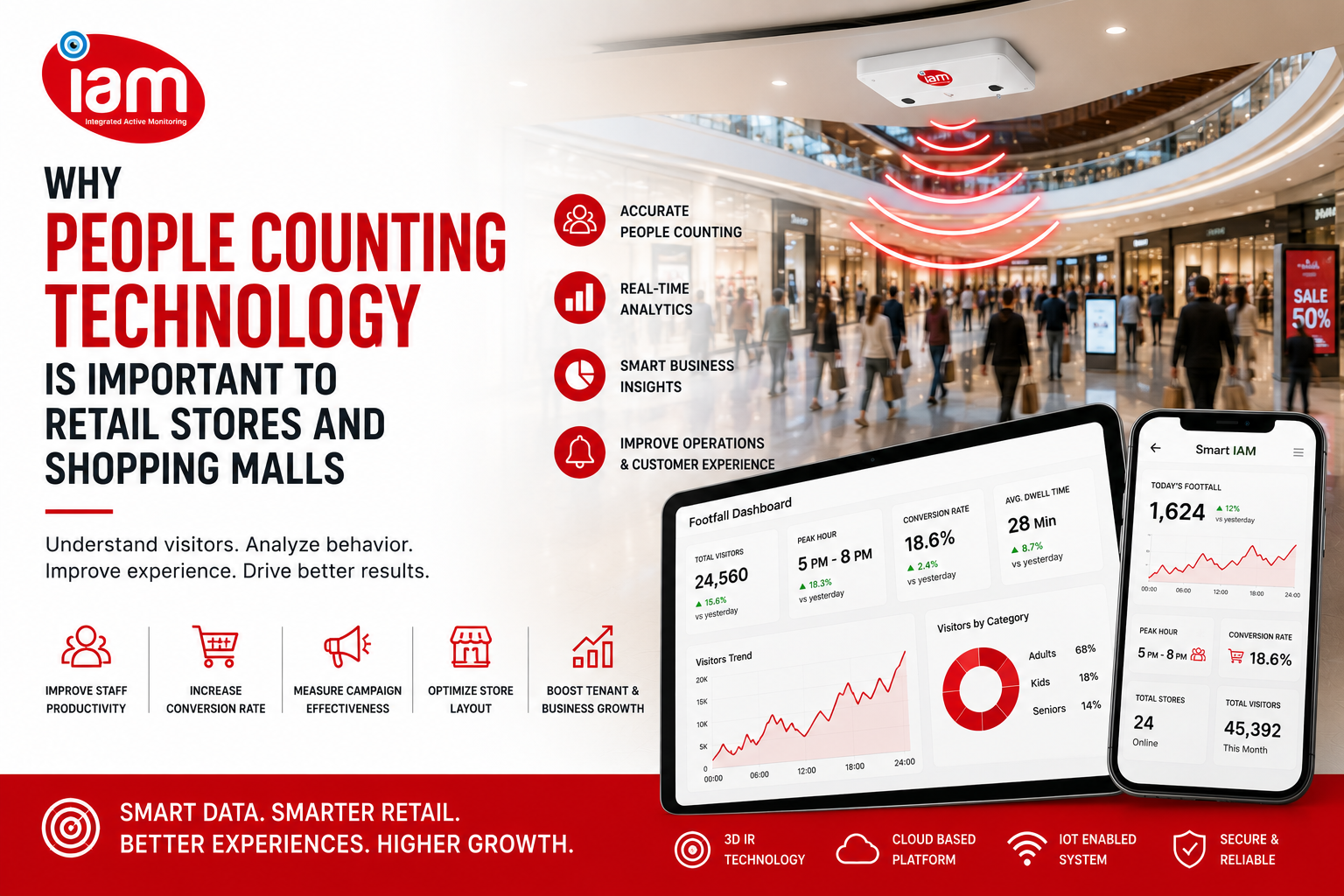
It also demonstrates why centralisation matters at scale. A single station could manage manually. A network cannot. The value of a centralized control approach rises directly with the number of sites the same pattern visible in IAM’s Style Union deployment across 100+ retail stores, where central management of content and analytics produced gains no individual store could have achieved alone.
Setting the standard for petroleum retail
Fuel retail has historically lagged behind other retail formats on customer-facing technology. The forecourt was functional, not designed. Jio BP’s deployment challenges that treating the price board not as a maintenance chore but as a live, branded, revenue-relevant surface.
For an industry facing a hard pricing deadline every single morning, automating that one process removes a daily point of failure and frees staff for work that actually serves customers. That’s the broader argument for retail automation: the highest-value systems to automate are usually the ones people are quietly doing by hand every day.
Modernising your forecourt or retail network?Talk to Smart IAM about dynamic digital signage.